Buying an older vs. new home might not be the answer to unaffordable housing
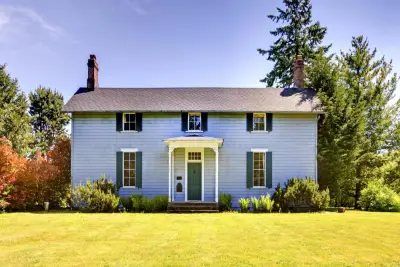
By Jeff Ostrowski Bankrate com Homes are acutely unaffordable a reality that s pushing stressed-out buyers to consider fixer-uppers While older homes might offer bargains upfront there s a catch Aging properties saddle owners with maintenance costs that squeeze budgets and test patience Homebuyers need nearly in household income to afford a home so buying an older one that necessities work isn t necessarily an ideal remedy Related Articles Mark Zuckerberg s charity quietly cuts funding for affordable housing homelessness groups What does it cost to own a home in Average rate on a US -year mortgage eases to its second straight weekly decline Washington lawmakers pass rent-control bill approve unemployment for striking workers Americans to lose their rental assistance and menace eviction unless Congress acts How old are America s homes America s housing stock is graying The median age of owner-occupied homes nationally climbed to years old in up from years in according to the U S Census Bureau Put another way the typical American now lives in a home built in the early s or before Homes are getting long in the tooth in large part because builders absolutely aren t adding new homes at the pace they once did We underbuilt housing from up until COVID says Robert Dietz chief economist of the National Association of Home Builders The sluggish pace of homebuilding after the Great Recession intensified the housing boom of modern years It s Econ When demand outpaces supply prices rise That s exactly what s going on in the U S housing industry as an ever-growing population of anticipated homebuyers vies for an increasingly scarce supply of homes Fully percent of aspiring homeowners say the down payment and closing costs pose a very important or somewhat critical obstacle to owning a home someday according to Bankrate s Down Payment Survey The survey detected that percent of buyers would consider a fixer-upper as a way to break into an unaffordable industry Is it better to buy new A third of U S housing inventory is new construction while the other two-thirds of properties for sale are existing homes Dietz says The state of those existing homes can vary widely from fully renovated places that need no work to dated structures with shag carpet linoleum floors musty basements and failing heating and air conditioning units Generally newer places cost more upfront while older homes that need work could require ongoing maintenance There s no such thing as a free lunch Dietz says With a newer home you re going to have the new home price premium so it ll be more expensive but the operating costs will be lower New vs older home Pros and cons Purchase price New homes are often more expensive than existing homes at least in terms of acquisition costs The higher price stems from a combination of inflation newer homebuilding regulations and more costly materials and finishes Majority mortgages are based on the value of the home when you buy it the loan amount doesn t account for upgrades However you might be able to finance repairs as part of the mortgage by taking a HomeStyle Renovation or Federal Housing Administration k loan which rolls the purchase price and renovation costs up to a limit into one loan Home size and features Home sizes have grown over the years and lifestyles have evolved The typical size of a new home built in was square feet according to the U S Census Bureau In that figure was just square feet What s more older homes often have features that have fallen out of favor such as formal dining rooms Lot size No it s not your imagination New homes even large expensive ones are being built on smaller and smaller lots As of the median lot size of new single-family homes in the U S was square feet or a fifth of an acre the Census Bureau reports In the number was square feet or quarter-acre Home maintenance costs In addition to budgeting for a monthly mortgage payment you ll also need to set aside money and time to deal with repairs and renovations typically about percent of the home s purchase price per year In that sense the edge goes to newer homes They tend to be more energy-efficient and it should be years before you need to touch major systems such as the roof and heating and air conditioning Older homes will likely require more spending on maintenance Commute times Housing expansion has been slow in part because land is scarce As a aftermath multiple new developments are going up in the suburbs and exurbs If you work from home great but if you value a short commute you might have more luck with existing homes Bankrate com Distributed by Tribune Content Agency LLC